
22 Jul Port Congestion Management in the East: Why the Busiest Ports Need Smarter Systems
Port congestion management in the East has moved from an operational preference to a competitive necessity. Port Miami recently berthed ten cruise ships in a single day — the busiest day of 2026 — and the result was described by passengers and port observers alike as chaos: two-hour waits for ground transportation, delayed disembarkations, and bottlenecks that backed up across the causeway. That was a passenger experience story. The cargo and provisioning story behind it was the same, and it plays out at eastern seaports from Miami to Galveston to Port Canaveral on a near-weekly basis.
The Eastern Seaport Congestion Pattern
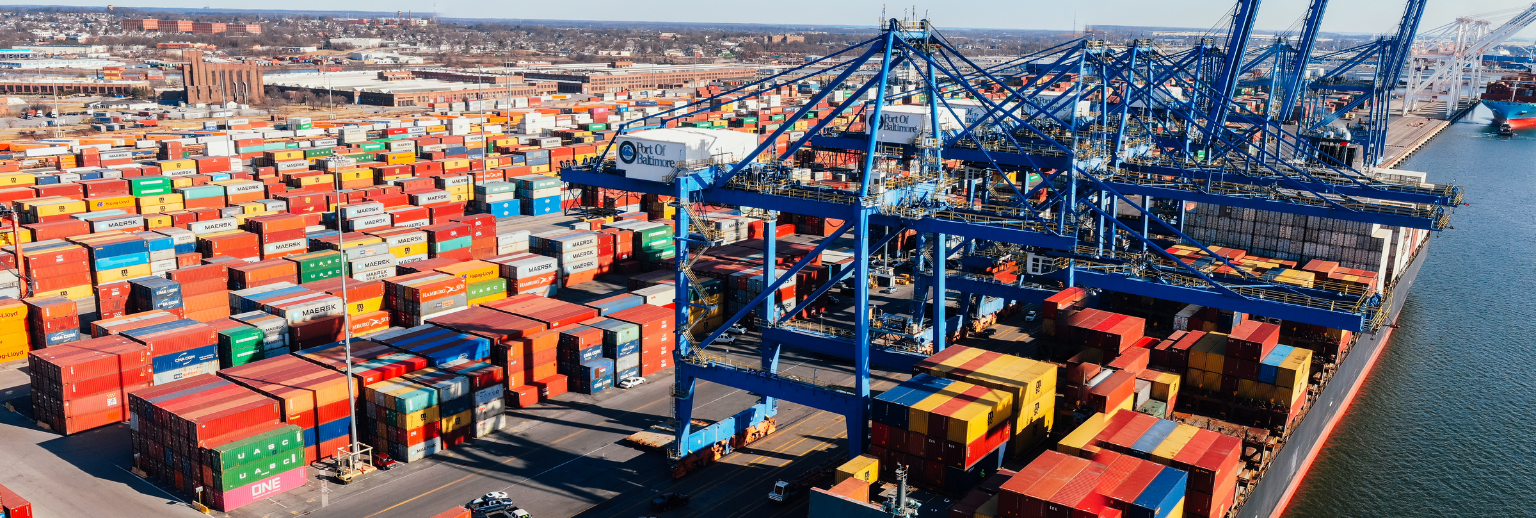
The Eastern seaboard and Gulf Coast are home to some of the fastest-growing cruise and cargo port operations in North America. Galveston is expanding its cruise berth capacity. Port Canaveral is processing record turnaround volumes. Baltimore, Philadelphia, and the Port of New York and New Jersey are all navigating the same challenge: freight and provisioning volumes that are outpacing the coordination systems in place to manage them. The infrastructure is being built. The operational intelligence layer to run it effectively is lagging behind.
Why Slot Management Is the Fix
Port congestion management does not require a capital investment in new infrastructure. It requires a change in when trucks arrive — and that change is achieved through slot management. When vendors and carriers book an arrival window in advance, the terminal knows what is coming and when. Dock teams prepare accordingly. Cargo is staged rather than scrambled for. Drivers arrive at a confirmed door at a confirmed time instead of queuing at the gate. The result at the Port of Montreal was a 40% reduction in truck turnaround time and a 30% drop in unauthorized truck arrivals — not through new construction, but through better information.
The Cruise Port Opportunity in the East
Eastern cruise ports are a specific and underserved case within the broader port congestion management conversation. The provisioning window for a cruise ship turnaround — food, linen, fuel, consumables, medical supplies — is compressed, predictable, and high-volume. Every vendor knows roughly when they need to arrive. Without a slot system, they all arrive at once. With one, the sequence becomes manageable. At Galveston and Port Canaveral, the pattern of uncoordinated provisioning arrivals is creating exactly the kind of documented congestion problem that both justifies a technology solution and strengthens a federal grant application.
The Stakeholder Meeting Test
One of the most reliable signals that a port is ready for a community platform is the stakeholder meeting. When a port director can get stevedores, terminal operators, cargo companies, and provisioning vendors in a room — or on a call — and everyone agrees the truck queue is the problem, the technology conversation has already been won. The only question is timing. Eastern ports with expanding operations and documented congestion have everything they need to make that conversation happen — and the federal programs to fund what comes after it.
The First Step
Port congestion management at eastern seaports does not start with a platform decision. It starts with one stakeholder solving one problem — truck slot management at a single terminal, a single berth, a single provisioning window. That proof point pulls other parties into the platform because the alternative becomes increasingly inferior. The ports moving fastest on this are not the largest ones. They are the ones whose leadership connected the technology conversation to the funding conversation before the next berth expansion was announced.
About the Author
Robert Gonzalez leads the Eastern Region for Kalé Info Solutions North America, working with seaports, cruise terminals, and cargo operators across the Gulf Coast, Southeast, and Eastern United States.